

Scientists suggest the Universe may be twice as old as previously thought
A researcher from the University of Ottawa has proposed a model suggesting the Universe could be 26.7 billion years old. The model also eliminates the need for dark matter and dark energy.
The CCC+TL model was developed by adjunct physics professor Rajendra Gupta and doctoral student Nikolaos Samaras. Over the past two years, they have tested it against key astronomical observations.
The approach revises current understanding of gravity and cosmic expansion: according to the model, physical constants gradually change, and light loses energy during propagation. As a result, radiation from distant objects takes longer to reach Earth than the standard model predicts, increasing the calculated age of the Universe to 26.7 billion years.
Computer simulations demonstrated that the model aligns with the observed ratio of hydrogen to helium formed after the Big Bang, as well as the history of the Universe's expansion. The researchers reported that CCC+TL explains the movement of stars and gas in 175 galaxies without invoking dark matter. According to Gupta, the team also tested the model against cosmic microwave background data, but the results of this test have not yet been published.

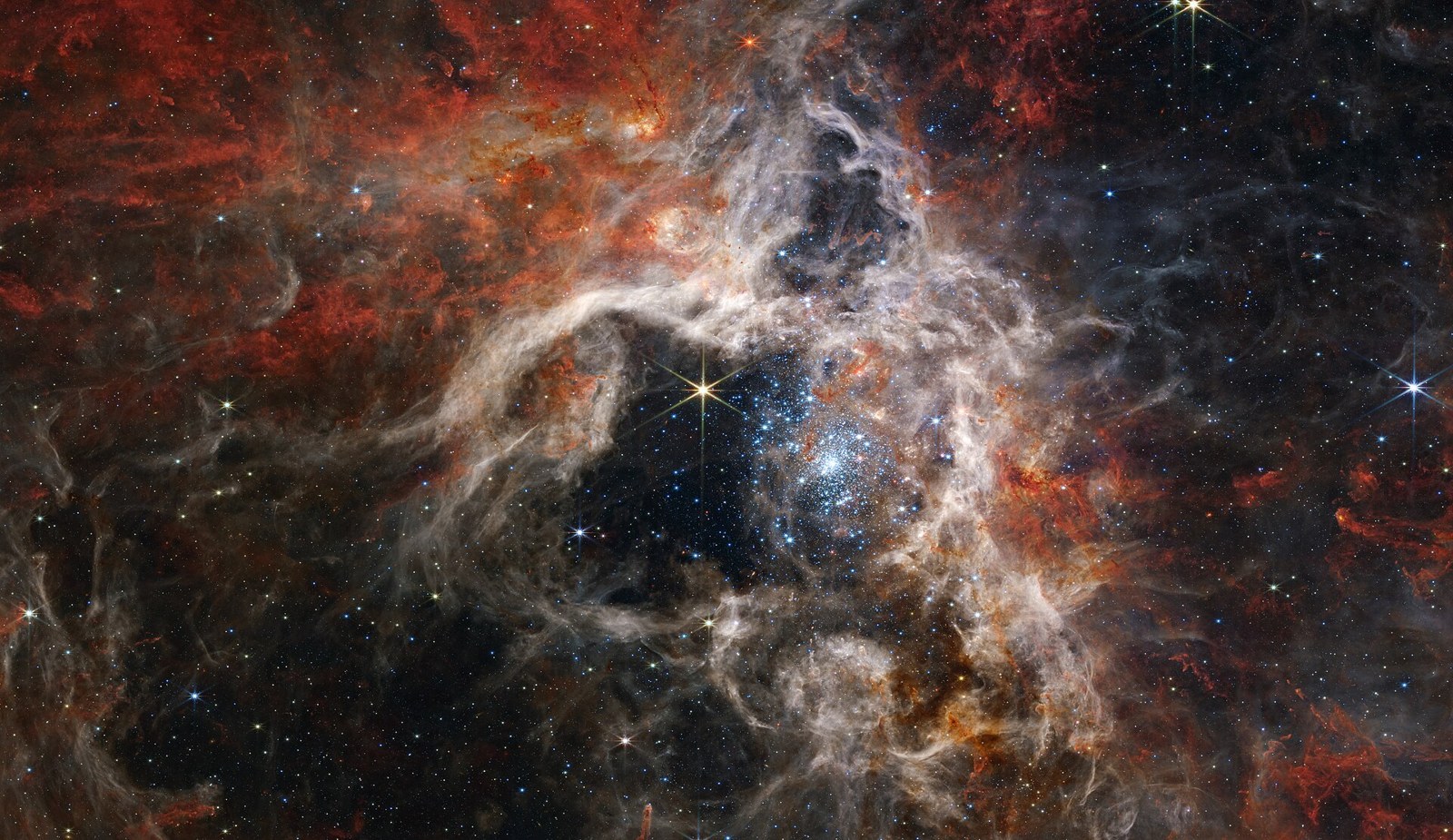
The authors believe their approach could explain observations made by the Webb telescope: some early galaxies appear too large and developed for their assumed age. In an older Universe, they would have had more time to grow.
The study was published in *Monthly Notices of the Royal Astronomical Society*. However, CCC+TL has not yet become part of mainstream cosmology: individual papers by the team are undergoing peer review, and the standard ΛCDM model still describes a wide range of observations. The findings must be independently verified by other scientists, including through future observations by the Webb telescope.